

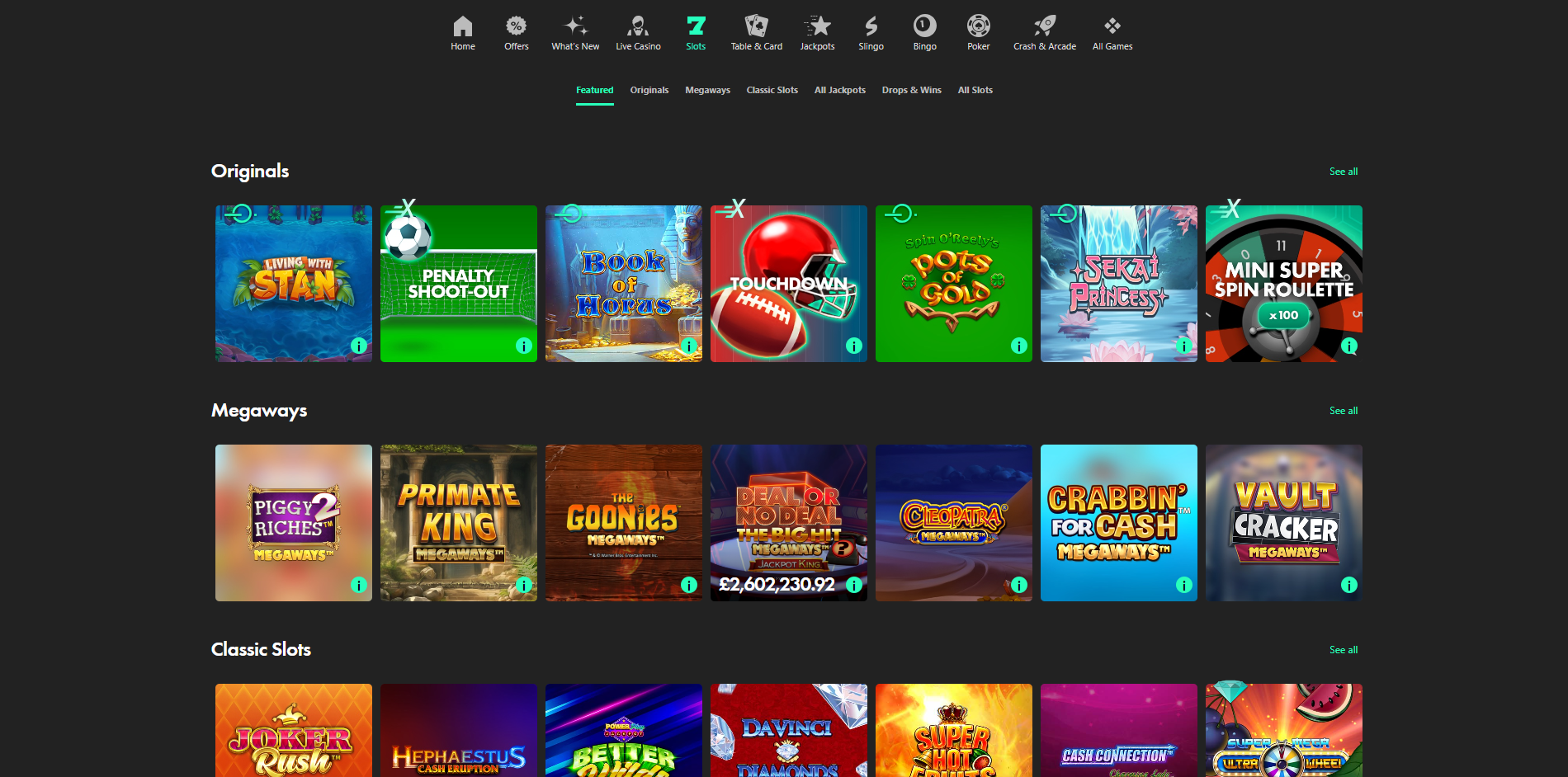
What distinguishes a forgettable session from a memorable one often goes deeper than the games themselves https://biglucky.cz/. The online casino experience is a complex ecosystem that combines technology, psychology, design, and trust into a single cohesive journey. For players exploring platforms like BigLucky Casino, the quality of that journey shapes immediate enjoyment and long-term loyalty. A smooth experience respects your time and judgment, offering intuitive navigation, transparent details, and interactions that feel natural rather than forced. When every click, every animation, and every transaction flows without hindrance, you can focus on what matters: the excitement of the game itself. This article digs into why the overall experience now defines modern online gaming—how it shapes behavior, builds lasting bonds, and separates exceptional platforms from the ordinary.
First Encounter and Welcome Flow
Early experiences a player passes on an online casino platform have outsized importance in forming their overall impression of the brand. Within seconds of landing on a homepage, instinctive opinions develop about reliability, expertise, and how welcoming the space appears welcoming or overwhelming. A neat, well-organized interface with clear visual hierarchy signals that the operator respects the player’s ability to make educated choices without confusion. The registration process itself serves as a vital entry point; when it demands excessive personal information upfront or presents confusing multi-step forms, abandonment rates increase rapidly. Modern players look for onboarding that balances regulatory requirements with user convenience—perhaps gradual data collection that assembles details gradually over time rather than all at once. BigLucky Casino and similar forward-thinking platforms understand that the welcome experience reaches beyond the sign-up form to include the first deposit flow, the clarity of bonus terms, and how rapidly a player can move from curiosity to active gameplay without encountering obstacles that generate irritation.
The cognitive theory of cognitive fluency reveals why smooth first impressions matter so profoundly. When information is absorbed effortlessly, the human brain interprets that simplicity as a signal of truth, safety, and trustworthiness. In contrast, when a player struggles to locate basic functions or decipher unclear labeling, the mental effort creates a negative emotional residue that influences everything that follows. Effective onboarding anticipates common questions before they arise, positioning helpful tooltips, clear category labels, and visible support channels right where uncertainty might occur. The color palette, typography choices, and spacing all add to an unspoken conversation with the visitor, either murmuring professionalism and calm confidence or projecting chaos and disorganization. Language localization also has a key function for international audiences; when translations feel natural and culturally appropriate rather than mechanically generated, players feel that the platform embraces their presence instead of merely accepting them as an afterthought.
Site Structure and Content Accessibility
Past the first impression, the continued simplicity with which a player can navigate the platform decides if sessions feel invigorating or draining. Platform structure—how sections, categories, and functions are structured—directly influences how rapidly players can turn their goals into steps. A intelligently built casino platform organizes games logically by type, provider, popularity, or thematic collections, while guaranteeing that critical account tools remain always reachable from any screen. The search functionality warrants special focus; players who have a specific game in mind should access it within seconds, while those looking for suggestions need sorting features that feel adaptive and clever. When a platform hides withdrawal instructions far within the site or scatters responsible gaming tools across separate areas, it indicates to members that their comfort and benefit are secondary concerns, not core values.
Content clarity extends to how transparently the platform shows its guidelines, conditions, and game specifics. Players increasingly value platforms that clarify betting conditions in simple terms, show real-time bonus progress indicators, and make game rules accessible without forcing users to launch the game first. The distinction between concealing details and organizing it neatly is crucial; the former breeds suspicion while the latter proves thoughtfulness. Mobile adaptability has become non-negotiable, because a growing majority of players switch between devices throughout their day. Site navigation layouts that work beautifully on desktop can become annoying on compact displays if tap areas are too small, menus shrink unexpectedly, or key links disappear entirely. Genuine ease-of-use means that whether a player visits from a laptop, tablet, or smartphone, the path from intention to action remains always brief and dependable.
Customer Support as an User Experience Pillar
Customer support usually stays invisible during trouble-free sessions but becomes the single most important factor when problems arise. The level of support infrastructure reveals whether a platform considers player difficulties as annoyances to be deflected or as opportunities to strengthen relationships through competent assistance. Accessibility stands as the first measure; support that operates only during limited business hours disappoints players in different time zones or those whose gaming naturally occurs during evenings and weekends. Live chat has become the usual choice for urgent issues, but its value depends entirely on response speed and the agent’s ability to resolve problems rather than simply note them. Players can quickly distinguish between empowered support staff who have access to account systems and can make meaningful changes, and powerless intermediaries who can only repeat scripted responses and escalate everything to unseen departments.
The tone and language quality of support interactions leave lasting impressions that color how players recall their entire experience with the brand. Agents who speak with warmth, patience, and respect for the player’s emotional state transform potentially relationship-ending incidents into demonstrations of the platform’s nature. Multilingual support capability signals commitment to serving an international audience rather than treating non-native speakers as an afterthought. Beyond reactive problem-solving, proactive support elements such as detailed FAQ sections, searchable help centers, and automated alerts about known technical issues prove that the platform anticipates player needs rather than waiting for frustration to build. The integration of responsible gaming support into the broader customer care framework ensures that players who need assistance with setting limits, accessing self-exclusion tools, or finding professional help resources encounter knowledgeable and compassionate guidance rather than confusion or indifference.
Payment Methods and Transactional Trust
Several elements of the online casino experience bear more psychological significance than the handling of real money. The deposit process embodies a moment of commitment where uncertainty arises, and any hindrance at this stage can cause players to reconsider their entire engagement. Platforms that offer a thoughtfully diverse range of payment methods accept the reality that player preferences vary significantly across regions and generations. Traditional card payments, bank transfers, e-wallets, prepaid vouchers, and increasingly cryptocurrency options each cater to distinct user segments with different priorities regarding speed, privacy, and familiarity. The deposit interface itself should generate confidence through clear amount fields, transparent disclosure of any fees before confirmation, and immediate feedback that the transaction has succeeded. When players must wait nervously without confirmation or encounter cryptic error messages, the psychological contract of trust begins to deteriorate.
Withdrawals are perhaps the single most sensitive touchpoint in the entire player journey. The moment a player requests their funds is when the platform’s character comes to light. Processing times that stretch beyond stated expectations, unexplained verification delays, or sudden requests for documents that were not clearly required upfront all cause anxiety that damages the relationship. Exceptional platforms distinguish themselves by making withdrawal policies crystal clear from the beginning, processing requests efficiently, and communicating proactively at every stage. Players should never experience that their money is being held hostage by obscure procedures. The verification process, while necessary for regulatory compliance, can be designed as a one-time smooth event rather than a recurring obstacle. When BigLucky Casino and similar quality-focused operators treat withdrawals as a natural and respected part of the gaming cycle rather than an adversarial negotiation, they build the kind of trust that transforms casual players into long-term advocates who confidently recommend the platform to others.
Shared Experiences and Collective Journey
Gambling has always included a social dimension, from the bustling energy of physical casino floors to the common rituals of friends gathering for poker nights. Online platforms that overlook this human element lose an opportunity to deepen engagement and differentiate their experience from solitary screen time. Live dealer games inherently incorporate social interaction through chat functions with dealers and occasionally fellow players, but the quality of that interaction depends heavily on the platform’s facilitation. Well-trained dealers who connect warmly without being pushy, chat systems that moderate abuse without becoming impersonal, and interface designs that make social participation optional rather than compulsory create environments where community can flourish organically. Tournament features that enable players to see leaderboards, compare advancement, and celebrate achievements together tap into the universal human enjoyment of friendly competition and common goals.
Beyond direct interaction, social features can include the ability to share notable wins through protected, privacy-respecting mechanisms, or the option to follow favorite games and see aggregated community statistics about popular titles. The key is offering social connection as an addition rather than an duty; introverted players who prefer solitary focus should never feel that their experience is incomplete without participation. Community building also goes to how the platform communicates externally through social media, blog content, and email newsletters. When these channels share insights, celebrate player stories considerately, and maintain the same tone of friendly expertise found within the platform itself, they extend the experience beyond the gaming session into a broader relationship. Platforms that successfully cultivate community transform their user base from a collection of isolated individuals into a network of shared identity, where players feel they are part of something larger than a transactional service.
Portable Gaming and Cross-Device Continuity
The modern player’s journey seldom takes place on a one gadget. A session could commence with informal exploration on a handset during a travel, proceed on a tablet while relaxing at home, and end with a dedicated desktop session in the evening. Platforms that treat mobile as a lesser, pared-down version of the desktop experience fundamentally misunderstand contemporary usage patterns. Real mobile optimization means reconsidering interaction layout for touch interfaces, ensuring that game previews remain legible, buttons remain comfortably tappable, and key information remains visible without too much scrolling or zooming. The performance demands are also unique; mobile devices deal with unstable network conditions, battery limitations, and disturbances from calls or notifications, requiring platforms to handle state preservation gracefully so that a temporary break does not rob a player their advancement in a bonus round or real-time croupier game.
Seamless device switching lifts convenience into a market differentiator. When a player can make a deposit on desktop, play a few spins on mobile during the midday break, and later withdraw winnings from a tablet without facing format inconsistencies or missing functionality, the platform becomes a seamless ally rather than a set of separate access points. Account synchronization must extend beyond basic login to include game history, bonus status, responsible gaming limits, and communication preferences that follow the player no matter the device. The visual experience should conform intelligently rather than merely contracting; layouts that restructure content based on screen dimensions, images that load at appropriate resolutions to conserve data, and navigation styles that fit thumb-driven interaction on phones versus accurate pointer operation on desktop all highlight mobile-first thinking. Sites that commit to this continuity communicate that they respect the sophistication of modern life and have engineered their experience to blend seamlessly with it rather than demanding that players adjust their habits to system restrictions.
Game Library Curation as well as Performance Quality
The games themselves create the emotional core of any online casino experience, but their presence alone is insufficient without thoughtful curation and solid technical execution. A massive library of thousands of titles can surprisingly feel less valuable than a smaller, carefully selected collection when players must wade through dozens of near-identical slots or outdated titles to find genuine quality. Curation demonstrates that the platform recognizes its audience and has made deliberate choices rather than simply aggregating everything available. Players value seeing a balanced mix that includes proven classics, fresh releases from respected studios, and niche options that cater to specific preferences such as high-volatility slots, strategic table games, or immersive live dealer environments. The loading speed and stability of each game directly affect the emotional arc of a session; a crash during a bonus round or stuttering animations during a crucial blackjack hand can transform excitement into bitter disappointment instantly.
Technical performance requirements have risen sharply as game developers push the boundaries of visual fidelity, sound design, and interactive complexity. Modern HTML5 titles demand efficient resource management from both the platform’s servers and the player’s device, and platforms that optimize this balance gain trust through consistency. Players may not consciously notice when everything works perfectly, but they observe and remember when it does not. Return-to-player percentages and volatility information, when presented honestly and accessibly, allow informed players to match games to their personal risk tolerance and entertainment goals. The live casino segment deserves special consideration because it bridges digital convenience with human interaction; stream quality, dealer professionalism, and interface responsiveness during time-sensitive betting windows create an experience that either rivals or falls far short of physical casino atmosphere. The game portfolio is not a static asset but a living ecosystem that requires ongoing maintenance, rotation, and quality assurance to remain compelling.
Visual Cohesion and Emotional Atmosphere
Visual design in online casino platforms works at two levels simultaneously: the conscious level where players notice colors, imagery, and layout, and the subconscious level where these elements blend to create an emotional atmosphere that colors every interaction. Uniformity across all pages and states builds a sense of reliability; when buttons act predictably, typography maintains hierarchy, and color coding follows logical patterns, the player’s brain can save mental energy for enjoyment rather than constantly relearning interface rules. The emotional atmosphere of a platform springs from countless micro-decisions about animation speed, sound design, spacing, and the personality expressed through microcopy. A platform that feels calm, confident, and professional welcomes players to stay for extended sessions, while one that exudes urgency through aggressive pop-ups, flashing banners, and pressure-oriented language produces tension that eventually chases players away in search of more respectful environments.
The balance between excitement and serenity in visual design mirrors a platform’s understanding of the dual nature of gambling entertainment. Players seek the thrill of uncertainty and the dopamine of wins, but they also demand the calm clarity to make sound decisions about their bankroll and time investment. Design that enhances wins without overstimulating losses, that celebrates success without mocking failure, and that retains dignity regardless of session outcome exhibits emotional intelligence in digital form. Loading screens, empty states, error messages, and transition animations are not just functional necessities but chances to reinforce brand character. A thoughtfully crafted error message that offers apologies clearly, explains what happened, and offers immediate next steps converts a moment of frustration into evidence of competence. Sound design similarly shapes atmosphere; the audio feedback of a winning spin, the ambient background during game browsing, and the satisfying click of a well-designed button all feed to a sensory experience that appears cohesive and intentional rather than haphazard.
Responsible Gaming Incorporation and Moral Framework
The integration of responsible gaming features into the core journey signifies a strong indicator of a platform’s trustworthiness and long-term perspective. When player protection options are consigned to obscure footer links or displayed in dense legal wording that discourages engagement, the platform indirectly values short-term profit over sustainable relationships. Ethical design weaves responsible gaming into the natural rhythm of the interaction: deposit limit settings shown clearly during the funding stage, session time notifications that feel like helpful reminders rather than scoldings, and reality check notifications that appear with a tone of friendly care rather than bureaucratic requirement. The ease of self-exclusion options is important critically; a player experiencing a moment of awareness and seeking to halt their participation should come across a simple, immediate method rather than a tangle of paperwork, waiting periods, and ambiguous acknowledgments.
Beyond mandatory features, responsible platforms educate players about the nature of gambling recreation in manners that improve rather than lessen pleasure. Clear descriptions of house edge, the randomness of random events, and the value of seeing gambling as entertainment expenditure rather than income approach help players preserve healthy outlooks. The platform’s marketing wording should consistently support these principles, sidestepping hints that gambling can solve financial issues or that tenacity inevitably concludes to success. Staff training on recognizing signs of problematic behavior and responding with appropriate empathy and resources transforms customer service from a potential enabler of injury into a safety mesh. When BigLucky Casino and similarly responsible operators integrate responsible gaming into their design philosophy, they create settings where amusement prospers within sustainable boundaries, and where players can trust that the platform cares about their long-term health rather than merely obtaining maximum short-term worth from each person.
Safety and the Feeling of Protection

The online casino experience takes place within an environment where members share sensitive personal and financial information, making security not just a system requirement but a fundamental component of psychological comfort. Players may not actively evaluate encryption protocols or firewall architectures, but they perceive the presence or absence of security through numerous subtle signals. A website URL that displays the secure padlock icon, clear privacy policy language that explains data usage in plain terms rather than legal terminology, and visible licensing information from acknowledged regulatory bodies all contribute to an atmosphere of trustworthiness. In contrast, broken links, outdated copyright dates, missing terms sections, or vague corporate information trigger instinctive alarm signals that something may be off. The mental state required for enjoyable gaming is one of comfortable focus, and that state cannot coexist with persistent doubts about whether personal data might be mismanaged or funds might vanish.
Privacy practices increasingly differentiate platforms as players become more knowledgeable about data rights and corporate duties. Clear explanations of what data is gathered, how it is employed, with whom it might be shared, and how long it is retained demonstrate respect that builds lasting trust. The option to control communication choices, manage cookie settings, and access personal data upon request transforms conceptual privacy principles into tangible player authority. Account security features such as two-factor authentication, login messages, and session timeout controls allow players to tailor their protection level according to personal preference. Responsible gaming tools represent another dimension of the safety experience; deposit caps, loss limits, session time reminders, and self-exclusion options should be accessible and clearly defined rather than technically present but practically hidden. When a platform treats player protection as a core design principle rather than a regulatory checkbox, the resulting atmosphere of safety enables the kind of carefree enjoyment that defines great gaming experiences.
Promotions and Promotions with Integrity
Marketing offers serve as powerful magnets for player attention, but their long-term influence on the journey hinges on the fairness of their design and disclosure. The industry has regrettably trained many players to view bonus offers with skepticism, scanning terms and conditions for concealed traps that make promised value illusory. Platforms that counter this conditioning do so through radical transparency: wagering requirements declared openly in the same font size as the bonus amount, game contribution percentages listed explicitly rather than hidden in separate documents, and time limits that accommodate real-world schedules rather than creating unnecessary pressure. The moment a player realizes that a seemingly lavish offer carries a 70x wagering requirement on a seven-day clock, the emotional transition from excitement to betrayal damages the relationship far more than if the offer had simply been modest but honest from the start.

The framework of ongoing promotions determines whether players perceive cared for for their loyalty or exploited into chasing losses. Well-designed loyalty programs reward consistent play with tangible benefits that build up observably and redeem without hidden hurdles. Personalized offers based on actual playing behaviors feel personalized, while generic mass blasts of irrelevant promotions signal that the platform sees players as records in a database rather than people. The coordination of promotional communications matters greatly; offers that reach during a player’s typical active hours based on their demonstrated schedule feel suitable, while intrusive notifications at inappropriate times breed resentment. Clear opt-out mechanisms for promotional communications respect player autonomy and paradoxically increase engagement among those who remain registered because they know their attention is respected rather than taken for granted. The bonus ecosystem should feel like a real improvement to the gaming experience, not a parallel game of its own with worse odds and more intricate rules.
Sustained Relationship Building and Player Lifecycle
The benchmark of an online casino experience shows itself not in the first week of engagement but across months and years of interaction. Platforms that optimize exclusively on acquisition while neglecting retention create a revolving door of disappointed players who come with hope and exit with frustration. Long-term relationship building demands understanding the natural player lifecycle: the enthusiastic exploration phase, the settling into preferences phase, the occasional boredom or plateau phase, and the re-engagement opportunities that arise from new game releases, seasonal events, or personal milestones. Each phase calls for different communication approaches, promotional strategies, and feature emphases. The enthusiastic newcomer gains from discovery tools and modest welcome offers with fair terms; the established player values recognition through loyalty rewards and personalized recommendations; the drifting player requires gentle re-engagement through interesting new content rather than aggressive retention tactics.
Player feedback mechanisms serve as essential relationship maintenance tools, providing platforms with continuous insight into evolving expectations and pain points. Surveys, rating systems, and visible responsiveness to common complaints prove that the relationship is a dialogue rather than a monologue. When players observe their suggestions implemented or their reported issues resolved, they transition from passive consumers to active participants in the platform’s evolution. Anniversary acknowledgments, birthday bonuses, and personalized communications on significant dates add human warmth to digital interaction. The consistency of experience over time matters enormously; players who return after an absence will find familiar navigation patterns, preserved preferences, and the same quality standards they remember. Platforms that pursue trends by constantly redesigning without preserving usability knowledge accumulated by their player base endanger alienating the very loyalty they seek to build. Sustainable success comes from treating each player relationship as a long-term investment where trust compounds over time through thousands of small positive interactions.
Technology Infrastructure and Platform Reliability
Behind every visible element of the online casino experience lies a technical foundation whose quality governs whether the surface polish can be sustained under real-world conditions. Server infrastructure, content delivery networks, database architecture, and load balancing systems work invisibly until they fail, at which point they become the only thing players notice. Platform reliability shows in consistent uptime, rapid page loading even during peak traffic periods, and graceful degradation when components encounter issues rather than complete service collapse. Players who experience timeout errors during payment transactions, game crashes at crucial moments, or login failures during limited-time promotions suffer emotional impacts far exceeding the technical inconvenience. The trust damaged by unreliability is extraordinarily difficult to rebuild because it plants a permanent seed of doubt: if the platform failed once without warning, it might fail again at any moment.
Progressive platforms invest in redundancy, monitoring, and disaster recovery not as cost centers but as critical pillars of the player experience. Regular maintenance communicated transparently in advance respects player planning, while unexpected outages addressed with honest, timely communication and appropriate compensation demonstrate accountability. The platform’s technology choices also affect the pace of innovation; architectures that allow rapid integration of new game providers, payment methods, and features empower the experience to evolve with player expectations rather than stagnating. Security infrastructure warrants continuous investment because the threat landscape evolves constantly, and a single breach can destroy reputations built over years. Players may never directly interact with load balancers or database clusters, but they experience their effects in every smooth transaction, every instantly loading game, and every session that concludes with satisfaction rather than technical frustration. The invisible quality of infrastructure differentiates platforms that just promise a great experience from those that consistently deliver one.
The online casino experience isn’t a single element; it’s a web of layout, tech, mindset, and principles. Every point of contact, from the initial look of the main page to the hundredth withdrawal, either strengthens or weakens the bond between gambler and site. In an field where the central product of gaming thrill is readily accessible, the journey encompassing that service has become the distinguishing factor. Gamblers are drawn to settings that honor their wit, guard their welfare, appreciate their hours, and consistently keep promises both big and minor. The sites that thrive in the long run will be those that understand the journey not as a marketing wrapper around betting offerings but as the core offering, deserving of the same meticulous attention, ongoing enhancement, and attention that define any great service relationship.
